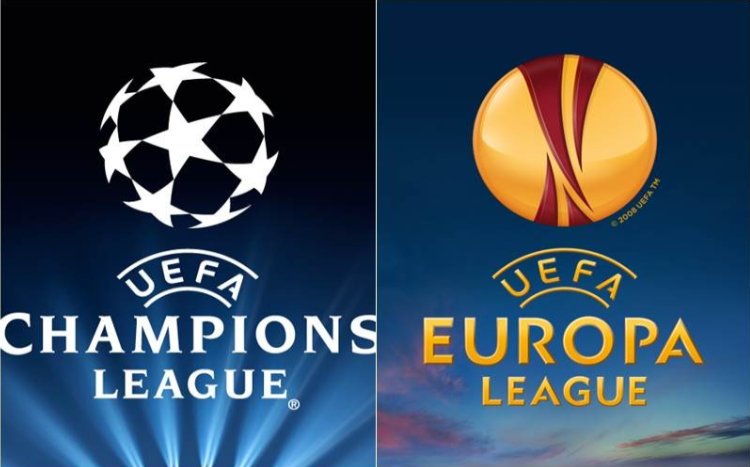
In European football, the two most prestigious club competitions organized by UEFA that attract the attention of millions of fans are the UEFA Champions League (C1 Cup) and the UEFA Europa League (C2 Cup). To help viewers gain a more comprehensive and clearer understanding, comparing these two tournaments is essential. Join the 90 Phút TV brand as we explore how the Europa League differs from the Champions League through the following key criteria.
Qualification criteria and tournament scale
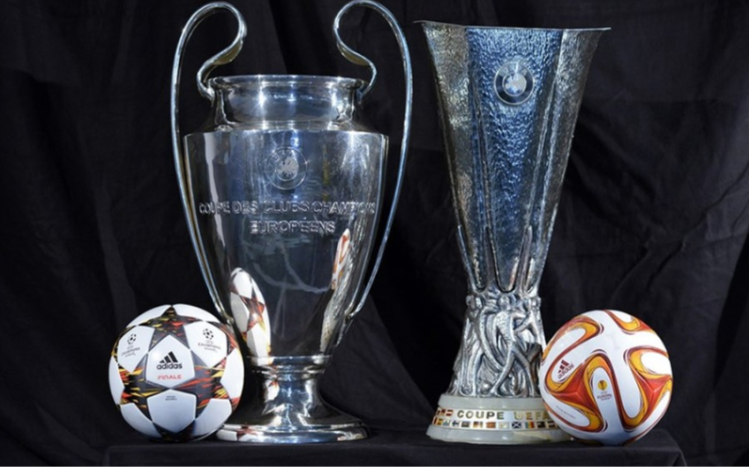
The most fundamental difference between the two competitions lies in their competitive level and the qualification criteria teams must meet to participate. The Champions League features domestic league champions and teams finishing near the top of Europe’s leading domestic leagues. Meanwhile, the Europa League brings together teams that finish in the next qualifying positions or win domestic cup competitions. The Champions League is consistently regarded as having a significantly higher competitive standard thanks to the presence of the world’s top stars.
In addition, the competition formats and the number of participating teams have undergone noticeable adjustments over the seasons. Clubs competing in the Europa League often face a longer journey before reaching the knockout stages. When following intense matches, viewers can visit 90phut for detailed updates. Understanding how the Europa League differs from the Champions League in terms of scale will help you follow the overall landscape of European football more easily.
Differences in commercial value and the viewing experience
Beyond their competitive standards, these two tournaments also differ considerably in prize money, television broadcasting rights, and the viewing experience they offer fans.
Prize money and television revenue
The Champions League generates enormous revenue for participating clubs through substantial UEFA prize money and lucrative television broadcasting rights. Simply qualifying for the Champions League league phase can provide a club with a budget far greater than what it would earn by progressing deep into the Europa League. In contrast, the Europa League offers considerably more modest rewards, leading some major clubs to view it as a secondary competition. Comparing how the Europa League differs from the Champions League financially highlights the substantial gap in commercial value between the two tournaments.
Match schedules and the football viewing experience
Champions League matches are generally played on Tuesday and Wednesday nights, prime-time slots that attract enormous audiences among football enthusiasts. Europa League matches, on the other hand, are scheduled for Thursday nights, which can place considerable strain on teams’ schedules ahead of weekend fixtures. Fans can catch up on the latest football highlights on the 90Phut TV platform to avoid missing memorable moments. The difference in match schedules is an important factor in explaining how the Europa League differs from the Champions League.
Motivation to compete and the associated rewards
Teams also have distinctly different motivations when competing in these two tournaments. Winning the Champions League is the most prestigious achievement that every European club dreams of securing. In the Europa League, beyond lifting the trophy, the most valuable reward is direct qualification for the Champions League league phase the following season. To understand how the Europa League differs from the Champions League, it is important to recognize that this prestigious qualification opportunity is one of the biggest incentives in the C2 Cup.
The competitive impact and value for clubs
Competing in the Champions League helps clubs elevate their global brand, attract world-class stars more easily, and secure lucrative sponsorship deals. However, the Europa League provides an excellent platform for mid-tier teams to demonstrate their quality or for major clubs to restore their standing after a difficult season. Both competitions create compelling and emotional scenarios for viewers. To follow these developments, fans should regularly watch the highlight bóng đá mới nhất on 90m TV to keep track of team performances.
Furthermore, UEFA’s new competition format has increased competitiveness and the number of high-profile clashes at both levels. Understanding how the Europa League differs from the Champions League helps fans accurately assess teams’ tactics and squad depth when they need to rotate players. The 90 Phut platform consistently provides fans with diverse analytical perspectives and in-depth football data. The distinct appeal of each competition is the perfect piece in the vibrant picture of European football.
Differences in competitive level, prize money, and match schedules are the key factors that answer the question of how the Europa League differs from the Champions League. Regardless of the competition, the spirit of commitment and the high-quality matches continue to captivate millions of football fans. Follow 90phut for quick updates on the latest football highlights as well as the latest sports news every day. We hope this article has helped you understand how the Europa League differs from the Champions League in detail.